Understanding the political map of Europe in 2026 is essential for US citizens. This dynamic region constantly evolves, impacting global relations, trade, and even travel plans. From shifting alliances to potential new member states, Europe's geopolitical landscape is a hot topic. American audiences often seek clarity on these changes for investment decisions, international policy awareness, and cultural understanding. This guide will help you navigate the complex political divisions and cooperative blocs shaping the continent today. We explore the latest developments, including recent expansions and significant international agreements. Stay informed about the European Union, NATO, and other crucial political structures. This overview provides a clear, concise look at where Europe stands right now. Discover the key players and border changes affecting the continent. Get ready to explore the political map of Europe with confidence.
What are the major political alliances in Europe?
Europe features prominent political alliances such as the European Union (EU) and the North Atlantic Treaty Organization (NATO). The EU focuses on economic and political integration among its 27 member states. NATO is a military alliance providing collective security for its members, including many European nations and the United States. These alliances significantly shape the political map of Europe and international relations.
Which European countries are not part of the EU?
Several European countries are not part of the EU, including Switzerland, Norway, Iceland, and the United Kingdom. Additionally, countries in the Western Balkans like Serbia, Albania, and Bosnia and Herzegovina are potential candidates. Other nations like Ukraine, Moldova, and Georgia also express aspirations for EU membership, further complicating the political map of Europe.
How does the war in Ukraine affect the political map of Europe?
The war in Ukraine profoundly affects the political map of Europe by reshaping alliances, security priorities, and borders. It has accelerated discussions on EU and NATO expansion, particularly for Eastern European nations seeking greater security. The conflict has also altered energy dependencies and diplomatic relationships across the continent, making it a critical factor for the political map of Europe.
What is the significance of the Schengen Area on Europe's political map?
The Schengen Area is a significant feature on Europe's political map because it allows for passport-free travel across much of the continent. It includes 27 European countries, simplifying movement for citizens and visitors. While not a political union itself, it represents a deep level of integration and cooperation among participating states, impacting regional political dynamics.
Will new countries join the EU or NATO by 2026?
While specific timelines are fluid, discussions suggest potential new accessions to the EU or NATO by 2026. Countries like Ukraine, Moldova, and nations in the Western Balkans are actively pursuing closer ties, with some making progress towards membership. Geopolitical developments could accelerate or slow these processes, continuously influencing the political map of Europe.
What role does Russia play in the political map of Europe?
Russia plays a significant and often contentious role in the political map of Europe. Its vast territory spans both Europe and Asia, and its foreign policy directly impacts Eastern European security and international relations. Russia's actions, particularly concerning its neighbors, are a constant factor in shaping European alliances and geopolitical considerations.
Are there any ongoing border disputes in Europe?
Yes, there are ongoing border disputes and territorial issues in Europe, though many are long-standing. Examples include the status of Kosovo, Nagorno-Karabakh (between Armenia and Azerbaijan), and disputes in the Eastern European region. These issues can create regional instability and influence the diplomatic efforts and political map of Europe.
When you look at a political map of Europe, what do you really see? You're seeing the history, present, and future of a continent. It is a constantly evolving picture. For anyone in the United States, understanding this map is incredibly useful. It helps us grasp global news and international relationships.
A political map of Europe shows us more than just countries. It displays borders, capitals, and major cities. It also highlights political divisions like sovereign states and autonomous regions. In 2026, these maps tell stories of shifting alliances and economic blocs. They reflect ongoing discussions about national sovereignty and regional integration.
Europe's political landscape is always in motion. We are seeing the impacts of historical events and recent conflicts. These factors continue to reshape allegiances and influence international policies. The continent remains a central player on the global stage.
Understanding the Political Map of Europe
The current political map of Europe for 2026 holds many fascinating details. It is a snapshot of complex relationships. The European Union (EU) remains a dominant economic and political force. It brings together many nations under shared policies. NATO, the North Atlantic Treaty Organization, is another crucial alliance. It provides collective security for its member states. These organizations significantly influence Europe's political structure.
Significant changes in the political map of Europe are often driven by major global events. These events can include geopolitical conflicts and economic pressures. For example, recent years have seen renewed focus on Eastern European borders. Discussions around EU and NATO expansion are also frequently in the news. These developments affect the stability and future direction of the continent. Keeping up with these changes is important for a full picture.
What's New on the Political Map of Europe?
Looking at the political map of Europe in 2026, you'll notice dynamic shifts. The aftermath of significant geopolitical events continues to settle. Ukraine's future relationship with the EU and NATO is a major ongoing discussion. This could profoundly alter the political map of Eastern Europe. Countries like Moldova and Georgia also seek closer ties with Western European blocs. Their aspirations could lead to further boundary changes or reconfigurations of influence. These are key areas to watch.
The United Kingdom's role post-Brexit continues to evolve. Its relationship with the EU influences trade routes and political cooperation. This has subtle but important impacts on the overall political map of Europe. Furthermore, migration patterns and environmental policies are increasingly shaping political discussions. These broader trends might not change physical borders but can redefine political priorities. They highlight the interconnectedness of modern European states.
Table: Key European Political Blocs (Approx. 2026)
| Bloc | Description | Key Members (Examples) |
| European Union (EU) | Economic and political union of 27 member states | Germany, France, Italy, Spain, Poland |
| NATO | Intergovernmental military alliance | USA, UK, France, Germany, Poland, Turkey |
| Schengen Area | Zone of 27 European countries allowing passport-free travel | Germany, France, Italy, Spain, Netherlands |
| European Free Trade Association (EFTA) | Trade organization; parallel to EU for non-EU members | Iceland, Liechtenstein, Norway, Switzerland |
What Others Are Asking?
What countries are on the political map of Europe?
The political map of Europe includes over 50 sovereign states, though definitions vary. Major countries like France, Germany, Italy, Spain, and Poland are prominent members of the European Union. Russia and Turkey are often considered transcontinental, bridging Europe and Asia, adding to the complexity of the political map of Europe.
How many countries are in the EU currently?
The European Union currently comprises 27 member states. This number reflects past entries and the United Kingdom's departure (Brexit). Future expansion remains a topic of discussion, with several candidate countries hoping to join the EU in the coming years. This can change the political map of Europe.
What is the role of NATO in Europe's political landscape?
NATO, the North Atlantic Treaty Organization, plays a crucial role in European security. It is a military alliance focused on collective defense. Its expansion and operations significantly influence geopolitical stability and relations among European nations, shaping the political map of Europe through defense agreements.
Are European borders changing frequently?
While major border changes are rare and often result from significant conflicts or agreements, minor adjustments and administrative divisions can occur. The political map of Europe primarily sees shifts in political alliances, economic zones, and diplomatic relationships, rather than constant physical border redrawings. These shifts nonetheless redefine political influence.
How does the political map of Europe impact the USA?
The political map of Europe profoundly impacts the USA through various channels. European stability affects global trade, economic markets, and security alliances like NATO. Geopolitical shifts in Europe often have direct consequences for U.S. foreign policy and economic interests, making it a vital region for American observation.
FAQ
What is the political map of Europe?
The political map of Europe illustrates the sovereign countries, their borders, and major cities across the European continent. It reflects the current geopolitical divisions and administrative structures. This map helps us understand national territories and international relationships.
Who creates the political map of Europe?
The political map of Europe is a representation of agreements and historical events. Mapmakers and cartographers create these visual representations based on internationally recognized borders. These borders are established through treaties, conflicts, and diplomatic recognition among nations.
Why is the political map of Europe important?
The political map of Europe is important because it reflects geopolitical realities and international relations. It helps citizens understand global events, trade routes, and security alliances. For travelers, it provides essential navigational and cultural information about distinct nations.
How do political alliances affect the political map of Europe?
Political alliances like the EU and NATO heavily influence the political map of Europe. They foster cooperation, economic integration, and collective defense among member states. While not always changing physical borders, these alliances define spheres of influence and political alignment across the continent.
How can I stay updated on the political map of Europe?
To stay updated on the political map of Europe, follow reputable international news sources and geopolitical analysis sites. Official publications from organizations like the European Union and NATO also provide current information. Regularly consulting updated atlases and online map resources is also helpful.
Summary of Key Points
The political map of Europe is a living document, constantly reflecting change. It is influenced by historical events, ongoing conflicts, and economic agreements. Major organizations like the EU and NATO are crucial shapers of the continent's political landscape. Understanding this map is vital for grasping global dynamics and appreciating the interconnectedness of nations. Keep an eye on Eastern Europe for potential shifts. The continent's political future remains dynamic and impactful for us all. Stay curious and keep exploring the political map of Europe.
Europe's political map reflects ongoing shifts in alliances and borders. Key highlights include potential EU and NATO expansions, particularly regarding Eastern European nations. Geopolitical tensions continue to reshape international relations across the continent. Economic zones and trade agreements also influence political boundaries and cooperation. Understanding these changes is vital for informed global perspectives. The continent sees continuous discussions about sovereignty and regional integration. National identities remain strong amidst broader European movements.
 A De Facto Map Of Europe In On Craiyon
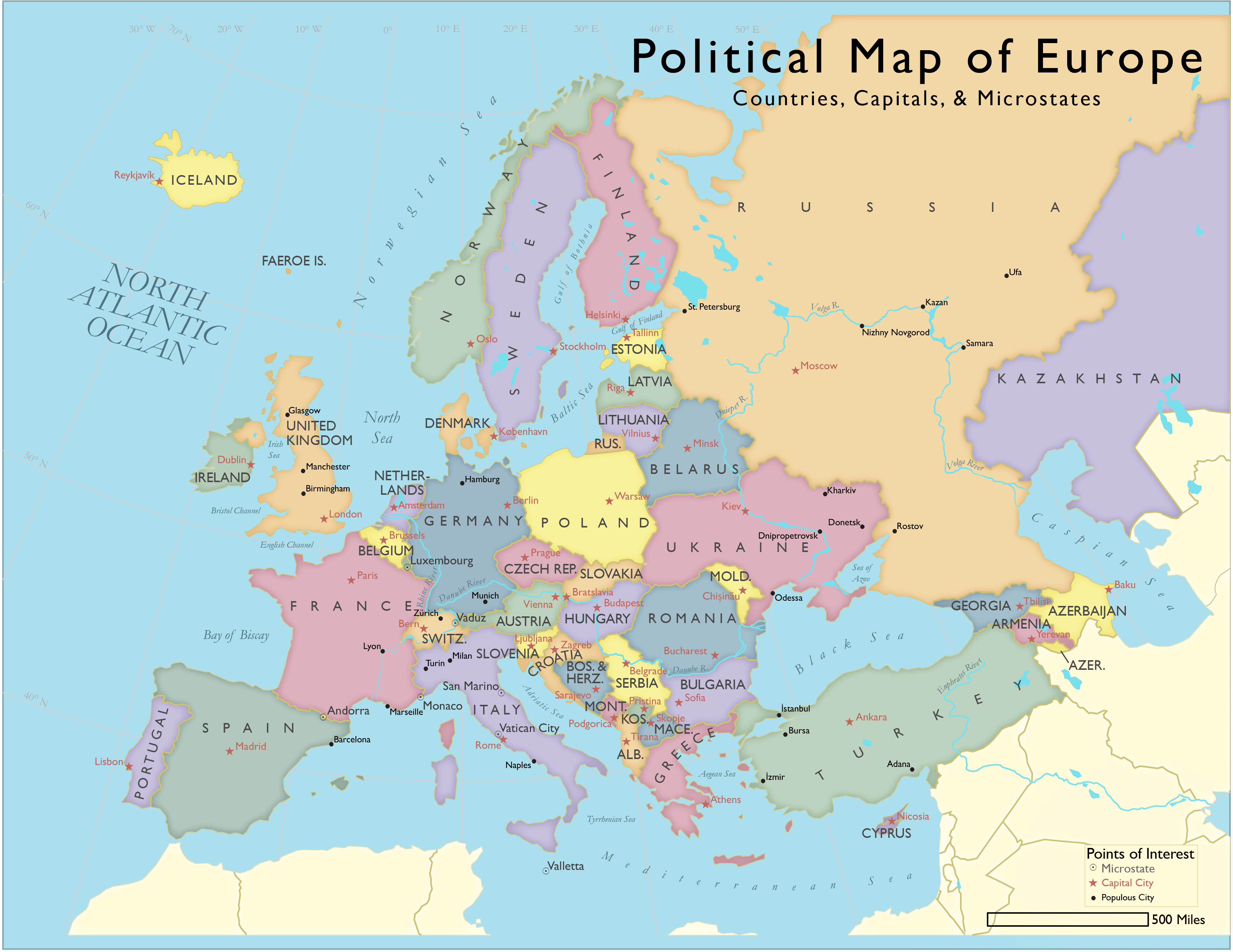 Europe Political Map Europe
  Maps On The Web
 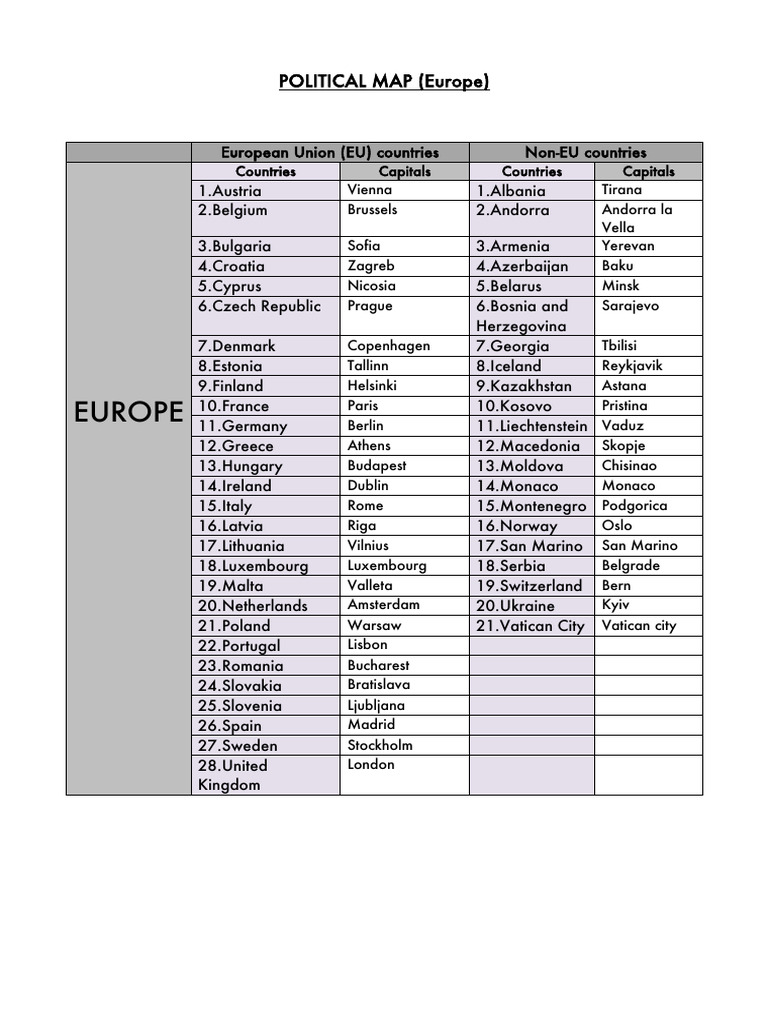 Political Map Of Europe PDF
 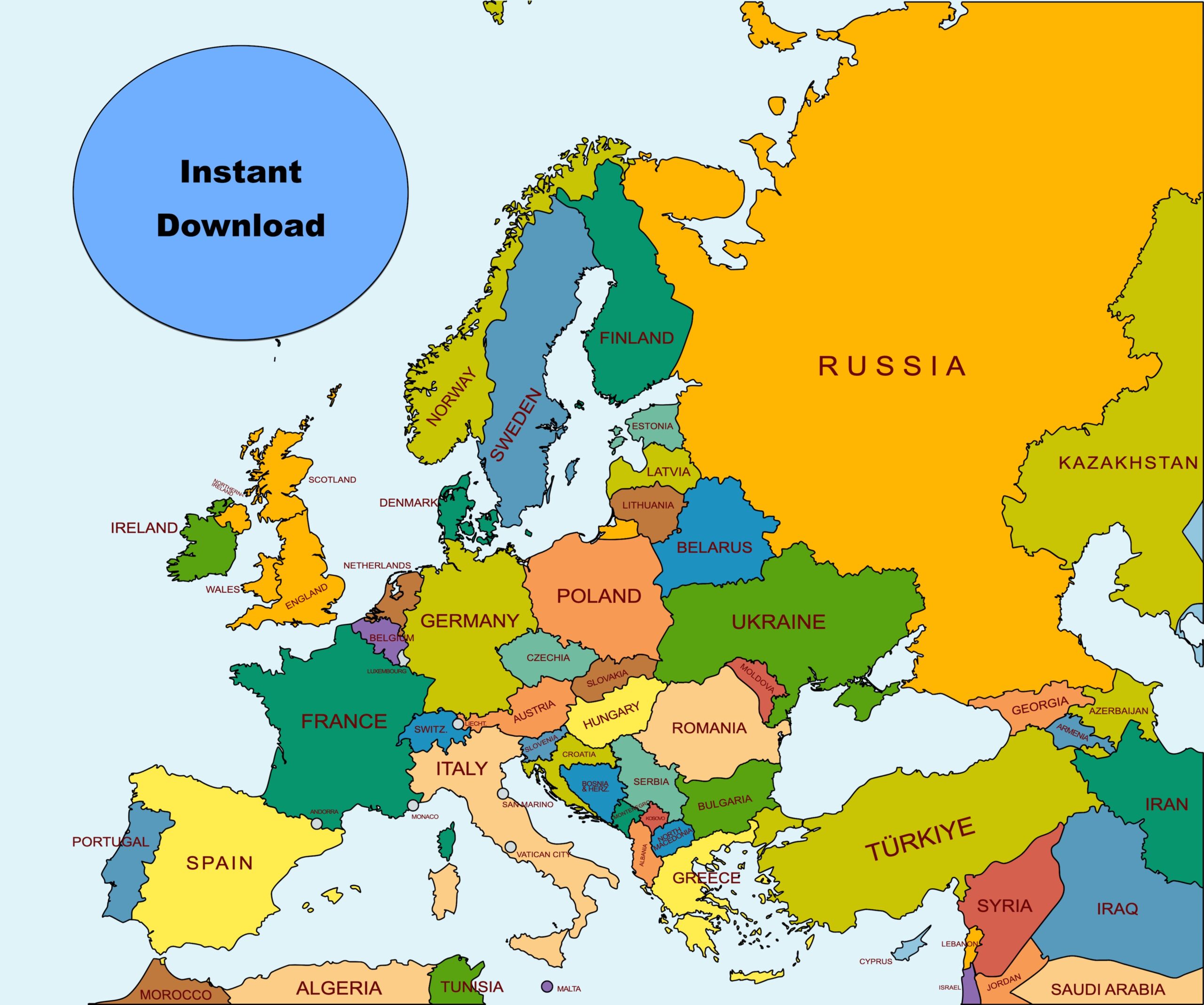 Europe Map Wall Art Printables Premium Storm Glass Weather Predictors Colored Political Map Listing Scaled
 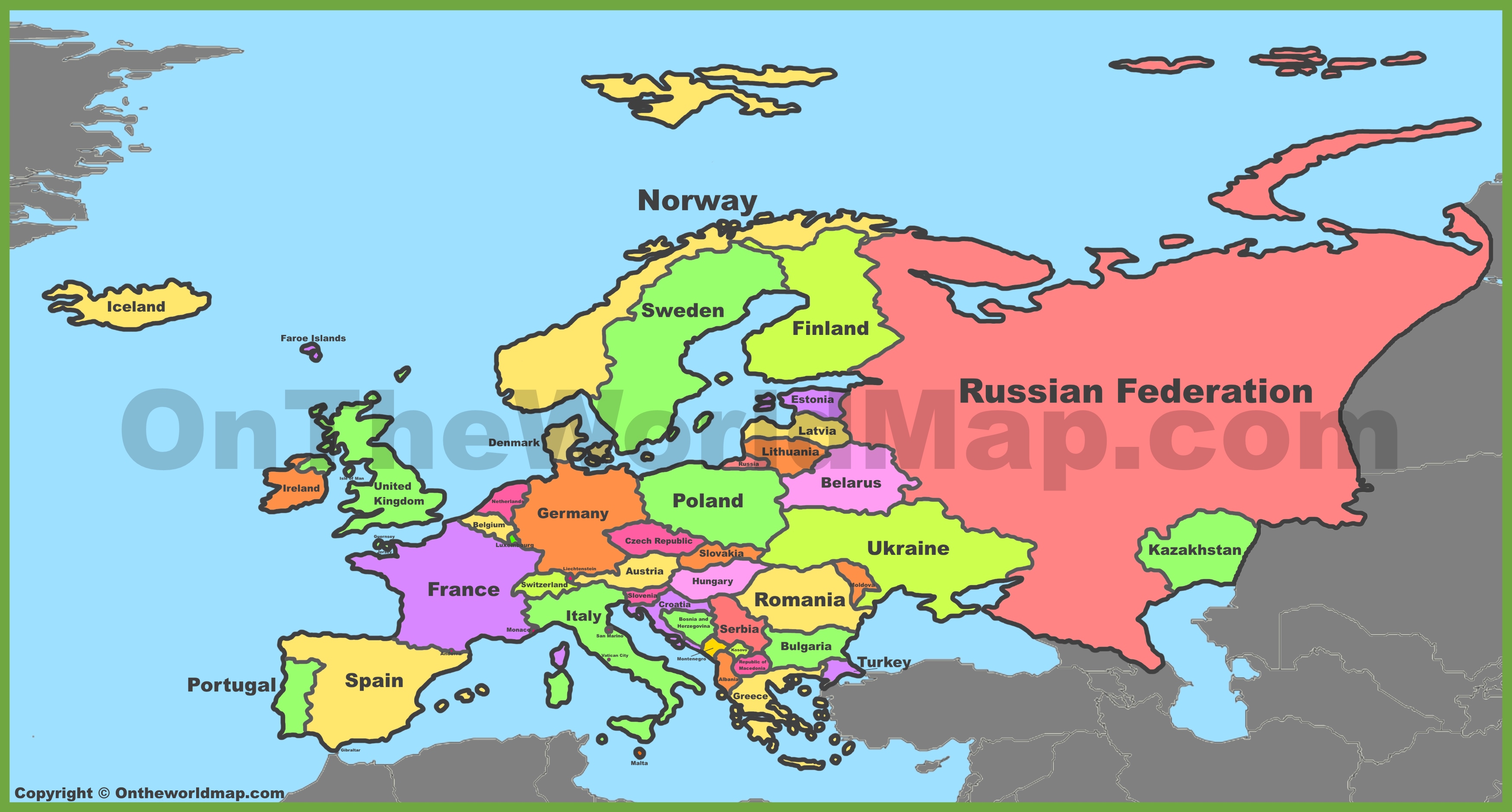 Political Map Of Europe Com Political Map Of Europe
  The Rainbow Map Is Coming Up On May ILGA Europe Rainbow Map x
 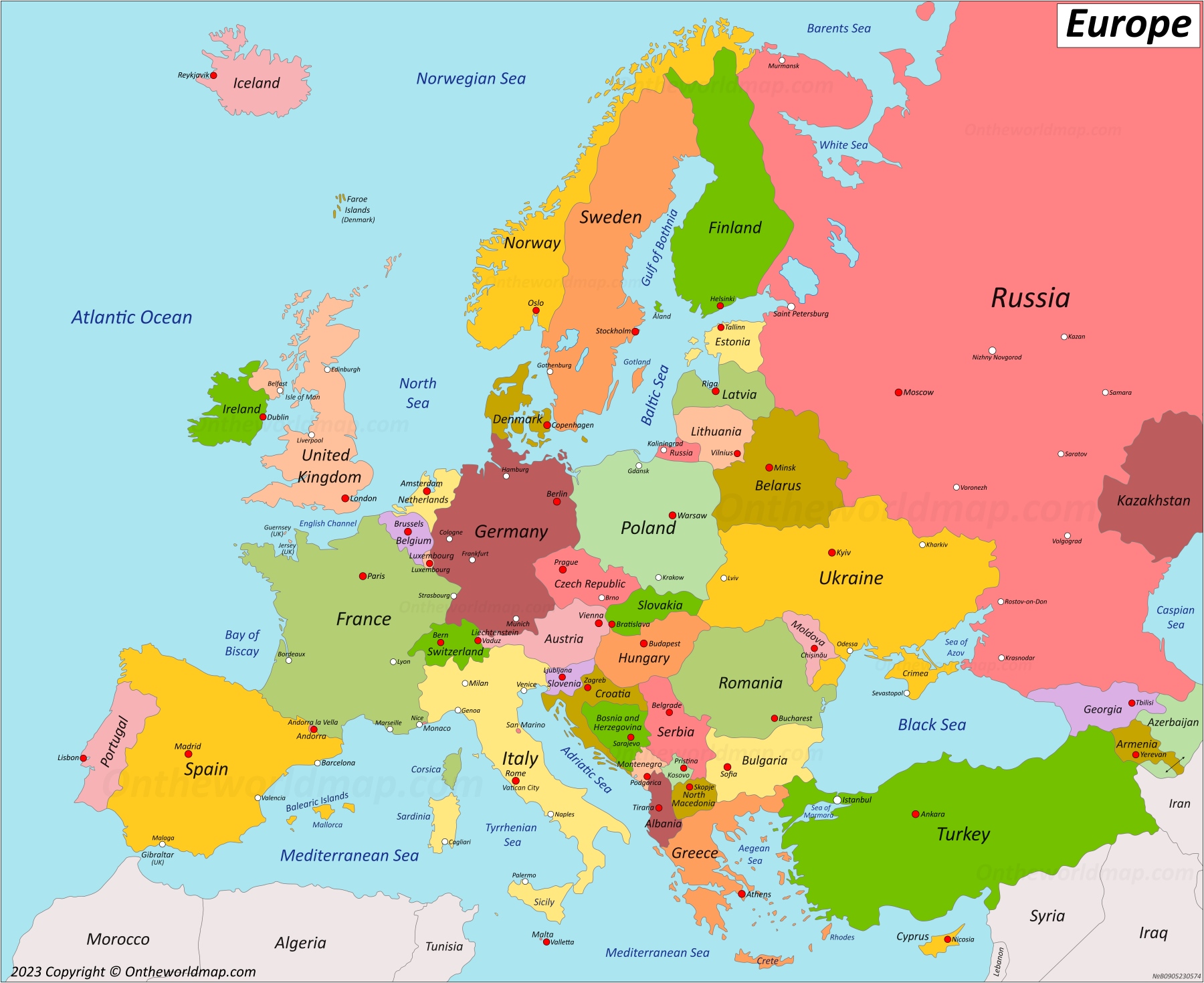 European Cities Map Map Of Europe
  Political Map Of Europe k Political Map Of Europe Clean V
 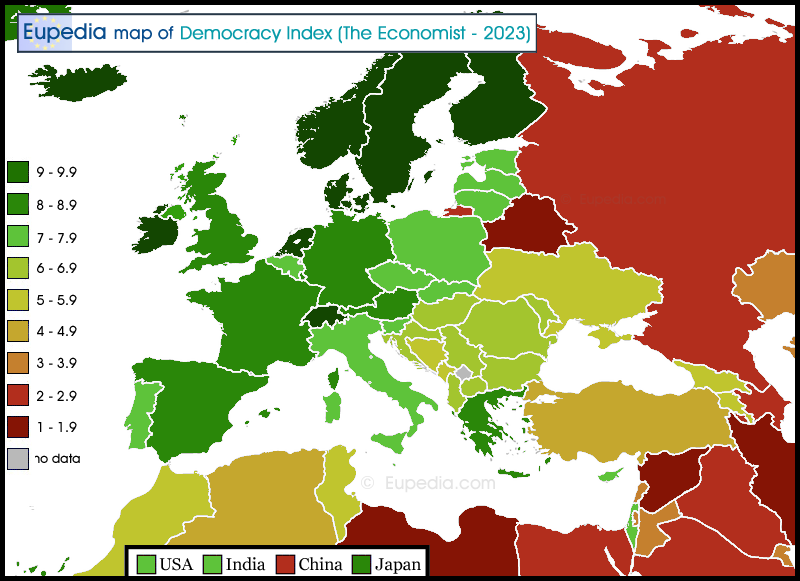 Political Maps Of Europe Europe Guide Eupedia Democracy Score
  Interactive Political Orientation Map Of The World Media Bias Fact Check Interactive Map