Imagine planning your next outdoor adventure or urban development project with unparalleled insight into the terrain. Steepness maps are quickly becoming an indispensable tool across the United States. They offer a vivid visual representation of gradient, revealing how challenging a hiking trail truly is or where water might naturally flow. From navigating the rugged Appalachian Mountains to assessing urban development sites in California, these maps provide critical data. Hikers gain confidence knowing what lies ahead. Cyclists plan optimal routes avoiding unexpected climbs. Urban planners identify ideal locations for construction or drainage. Emergency services utilize them for quicker, safer response planning. The growing demand for detailed topographic information makes the steepness map a trending and vital navigational resource for a wide array of users seeking precision and safety in the USA.
What kind of information does a steepness map provide?
A steepness map provides crucial information about the gradient or slope of land. It shows how rapidly the elevation changes over a given distance. This allows users to understand the terrain's incline and decline visually, often through a color-coded system for easy interpretation and planning purposes.
How can a steepness map make my outdoor trip safer?
A steepness map makes outdoor trips safer by highlighting potentially dangerous or overly challenging sections of terrain. You can identify extremely steep slopes, which might pose fall risks or require specialized gear. This allows you to plan alternative, safer routes or prepare adequately for known difficulties, significantly reducing unexpected hazards.
Are steepness maps useful for mountain biking?
Absolutely, steepness maps are incredibly useful for mountain biking. Riders can pre-plan routes to find trails matching their skill level, identify challenging climbs or thrilling descents, and avoid unexpectedly difficult sections. This helps in conserving energy, ensuring a more enjoyable ride, and preventing unforeseen dangers on the trail.
Where can I find reliable steepness maps for the USA?
You can find reliable steepness maps for the USA through various sources. Popular online platforms like CalTopo, Gaia GPS, and Google Earth Pro often integrate slope data. Government agencies like the USGS (United States Geological Survey) also provide Digital Elevation Models which can be used to generate detailed steepness maps.
Does a steepness map show all types of slopes?
Yes, a steepness map is designed to show all types of slopes, from nearly flat ground to incredibly steep inclines. The level of detail depends on the resolution of the underlying elevation data. Higher resolution data will provide a more precise representation of even subtle changes in terrain gradient across the entire map area.
How do steepness maps support land development?
Steepness maps support land development by providing essential insights into site feasibility. Developers use them to identify stable building sites, understand natural drainage patterns, and plan for earthwork requirements. This helps prevent erosion, mitigate environmental impact, and optimize construction costs effectively during project planning.
What color typically indicates the steepest areas on a steepness map?
On most steepness maps, darker or warmer colors like red, dark orange, or sometimes deep purple typically indicate the steepest areas. Conversely, lighter or cooler colors such as green or light yellow usually represent flatter or gently sloping terrain. Always refer to the specific map's legend for precise color interpretation.
Ever wondered how challenging that trail truly is? A steepness map provides crucial answers for your next USA adventure. This powerful tool visualizes terrain gradients for informed decision-making. It highlights inclines and declines using a clear color scale, making complex landscapes easy to understand.
Understanding a steepness map is essential for various activities. From planning safe hiking routes to optimizing cycling paths, this map type offers immense value. Urban developers also use steepness map data for site analysis and sustainable design. It empowers users to anticipate terrain challenges effectively across the diverse United States.
What is a Steepness Map? Unveiling Terrain Gradients
A steepness map, also known as a slope map, graphically displays the incline or decline of land. It uses elevation data to calculate the gradient at every point. Typically, different colors represent varying degrees of steepness. Darker colors often indicate steeper slopes, while lighter hues show flatter areas. This visual guide is far more intuitive than traditional contour lines alone.
This kind of map is derived from digital elevation models (DEMs). These models provide precise vertical information about the Earth's surface. Algorithms then process this data to determine the rate of change in elevation. The resulting steepness map provides a comprehensive overview of the terrain's difficulty. It is invaluable for anyone needing detailed topographical insights.
Why Steepness Maps Matter for Your USA Journey? Enhancing Safety and Planning
Steepness maps are vital for outdoor enthusiasts across the USA. Hikers use them to gauge trail difficulty and plan their energy expenditure. Cyclists rely on them to find less strenuous routes or prepare for challenging ascents. This proactive planning improves safety and enhances the overall experience.
Beyond recreation, steepness maps support crucial urban planning initiatives. They help identify areas prone to erosion or landslide risks. Developers utilize them for optimizing building placement and infrastructure design. Emergency services also leverage steepness maps for quick route assessment during critical operations. Their applications are incredibly diverse and impactful.
How to Interpret Steepness Map Data? Your Guide to Understanding Slope
Interpreting a steepness map is straightforward once you grasp its core principles. Look for the color legend, which correlates specific colors to slope angles or percentages. Green typically signifies flat areas, yellow indicates gentle slopes, and red often points to very steep terrain. Always refer to the map's legend for accurate interpretation.
Combine steepness map insights with other geographical data for comprehensive planning. Overlaying it with trail maps or property boundaries provides a richer context. Many online mapping tools now integrate steepness data, allowing for interactive exploration. This empowers you to make informed decisions for any terrain-related task. The power of a steepness map is in its clarity.
| Application | Benefit of Steepness Map | Key User Group |
|---|---|---|
| Hiking | Assess trail difficulty, plan energy use | Outdoor Enthusiasts |
| Cycling | Optimize routes, avoid excessive climbs | Bikers, Athletes |
| Urban Planning | Site suitability, drainage analysis | Developers, Engineers |
| Emergency Services | Access planning, risk assessment | First Responders |
| Accessibility | Identify navigable routes for mobility | Individuals with Mobility Issues |
What Others Are Asking About Steepness Maps?
How do steepness maps help with hiking?
Steepness maps provide hikers with a clear visual of terrain gradients, allowing them to assess trail difficulty beforehand. This helps in planning appropriate routes, managing energy levels, and ensuring safety by avoiding unexpectedly challenging sections. Knowing the steepness map details prepares hikers effectively.
What is the difference between elevation and steepness on a map?
Elevation on a map shows the height above sea level, typically with contour lines. Steepness, or slope, measures the rate of change in elevation over distance. An elevation map gives a vertical position, while a steepness map illustrates how sharply the terrain rises or falls. Both are crucial for comprehensive terrain understanding.
Can I create my own steepness map?
Yes, with appropriate software and elevation data, you can create your own steepness map. Geographic Information Systems (GIS) tools like QGIS or ArcGIS are commonly used. You need a Digital Elevation Model (DEM) for your area of interest. These tools then calculate slope from the DEM. Creating a steepness map requires some technical knowledge.
How are steepness maps used in urban planning?
Urban planners use steepness maps to evaluate land suitability for development. They identify areas prone to erosion, landslides, or requiring extensive grading. This helps in sustainable construction, infrastructure placement, and managing stormwater runoff. A steepness map is a fundamental tool for responsible urban design.
What tools are available to view steepness maps?
Numerous tools are available to view steepness maps. Online platforms like Google Earth Pro, CalTopo, and Gaia GPS often integrate slope data. Dedicated GIS software such as ArcGIS and QGIS also allow detailed steepness map analysis. Many government geological survey websites provide public access to these mapping resources.
FAQ About Steepness Maps
What exactly is a steepness map?
A steepness map visually represents the incline or decline of terrain. It uses color gradients to show slope angles or percentages. This crucial tool helps users quickly understand the difficulty and character of a landscape.
Who uses steepness maps in daily life?
Outdoor enthusiasts, urban planners, architects, emergency services, and land managers regularly use steepness maps. Anyone needing to assess terrain for safety, planning, or development finds them invaluable.
Why are steepness maps crucial for safety?
Steepness maps enhance safety by revealing hazardous slopes, potential avalanche zones, or difficult access areas. This allows for informed route selection and preparedness, significantly reducing risks in unfamiliar or challenging terrain.
How do steepness maps improve outdoor experiences?
Steepness maps improve outdoor experiences by enabling better planning. Hikers and cyclists can select routes matching their fitness levels. It helps avoid unexpected challenges, making adventures more enjoyable and manageable for everyone.
What technologies power steepness map creation?
Steepness maps are primarily powered by Digital Elevation Models (DEMs). These models use satellite imagery, LiDAR, or aerial photography data. Geographic Information Systems (GIS) software then processes DEMs to calculate and visualize slope information.
Precision planning, enhanced safety, outdoor adventure insights, accessibility guidance, urban development aid, gradient visualization, terrain analysis, route optimization.
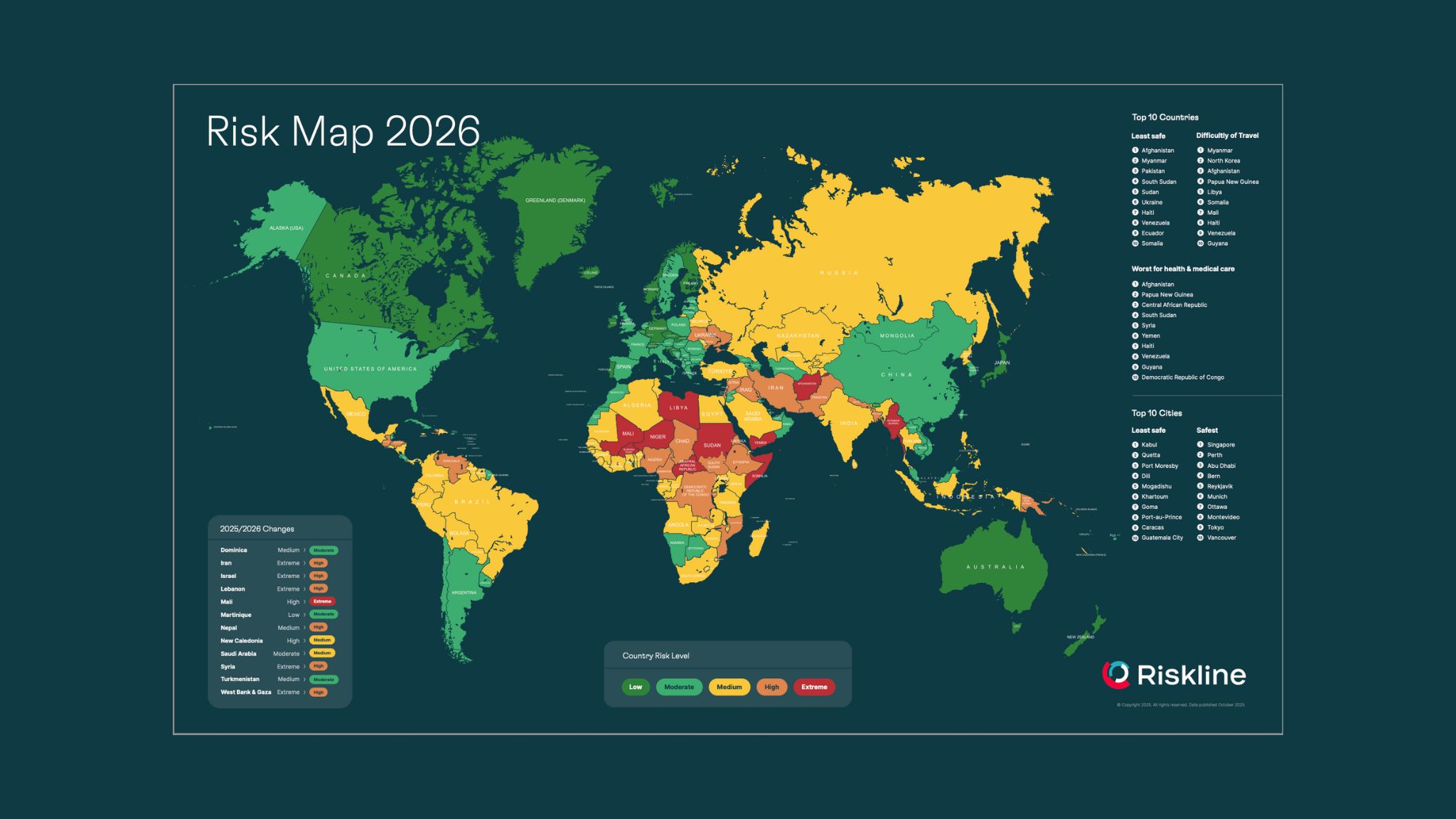 Risk Map Global Travel Risks And Safety Trends Travel Outlook Is Risklines Monthly Update Key Travel Trends Emerging Risks And Important Events That May Impact Global Mobility. From Political Instability And Natural Disasters To
  Monster Energy Supercross Track Map Images For All Rounds Racer X
 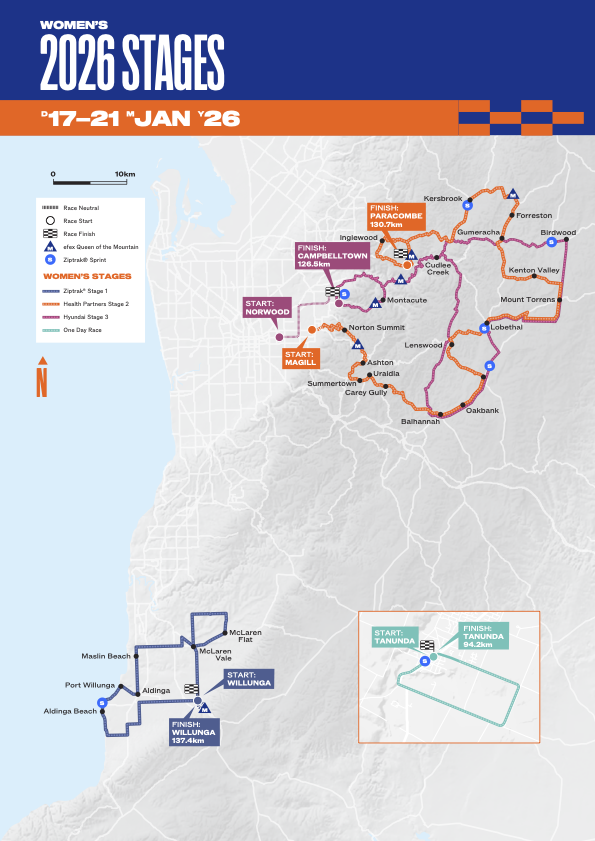 AusCycling Road National Routes Cyclingnews
  Winter Games Venues Maps RED MAPS Red Maps Winter Olympics Games Events Map x
  Brutal Beautiful Untamed The Absa Cape Epic Route Revealed Mtbapp ACE
  Cycling Pulse Media
 Introducing The Senate Interactive Map toWin Senate Incumbent
  World Cup In Canada The USA And Mexico The Stadiums World Cup x
  Ubisoft S Steep Is A Kinetic Dive Into Extreme Winter Sports VentureBeat Steep
 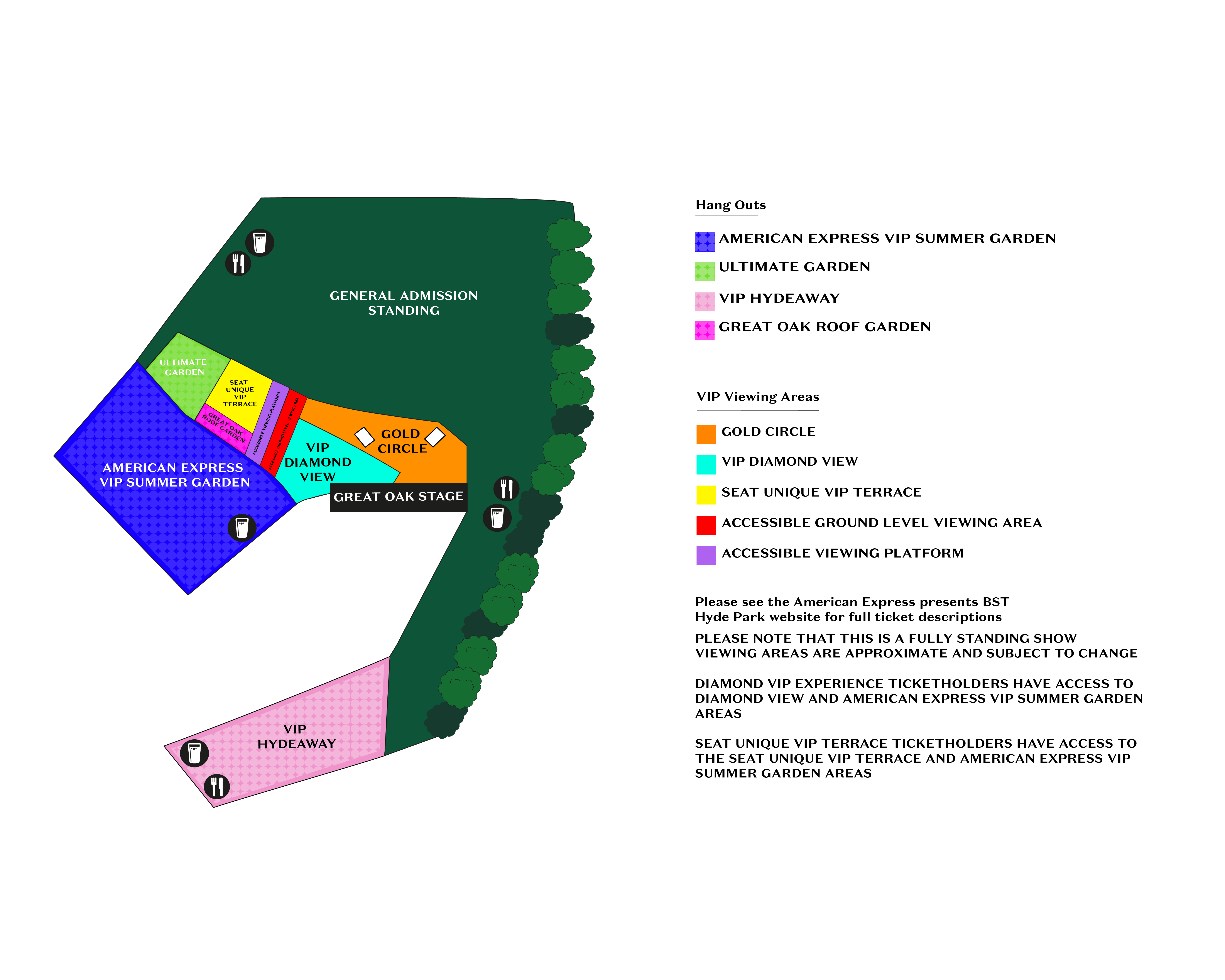 Lewis Capaldi Gold Circle Ticket London BST Hyde Park July Bst Customer Map No Thrust