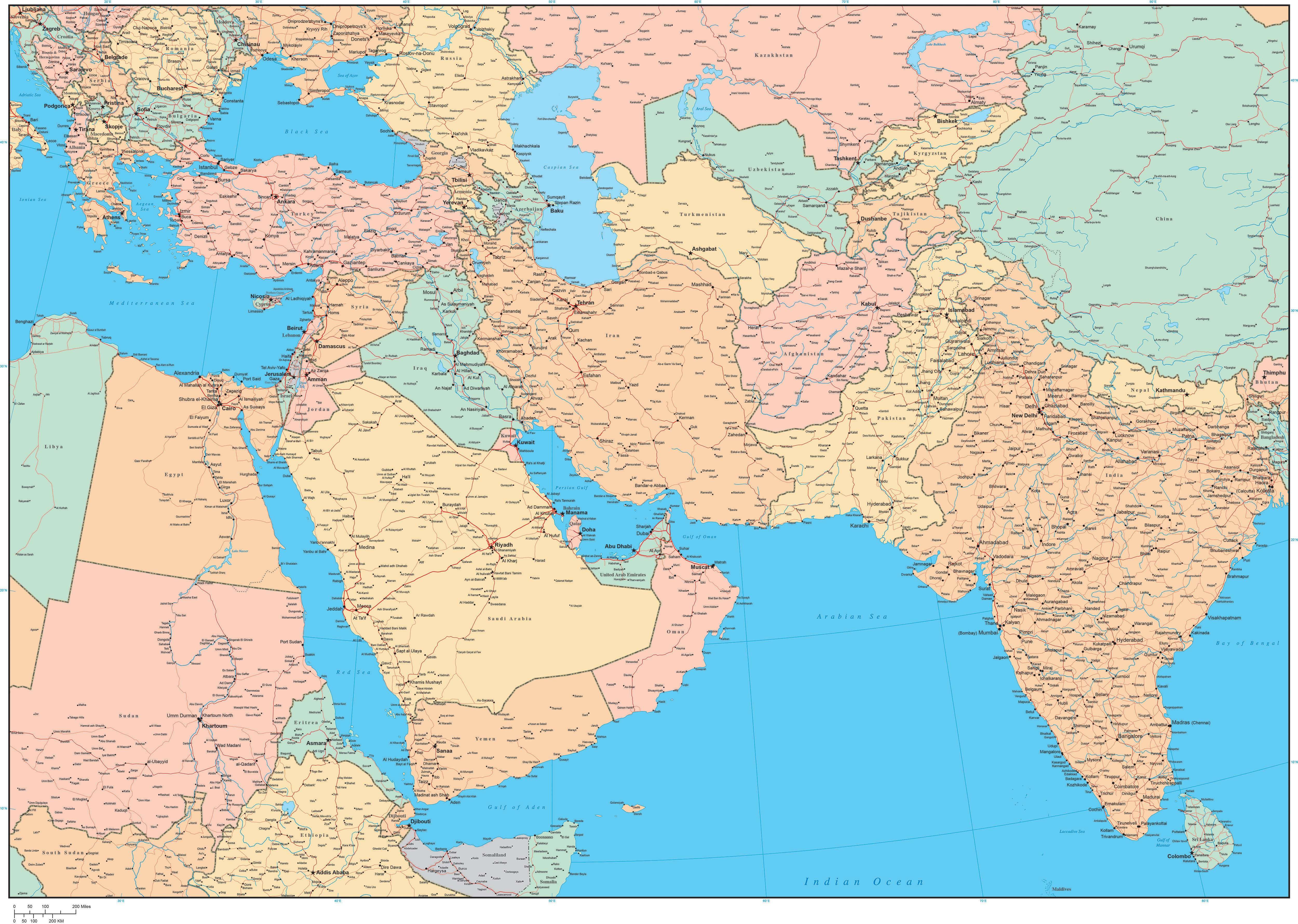
Understanding the Middle East is vital for global citizens. A blank political map of the Middle East offers an unparalleled educational tool for anyone in the United States. It helps us grasp complex geopolitical landscapes and historical contexts with engaging clarity. This interactive approach enhances learning about diverse nations and their unique borders effortlessly. Engage with current events more deeply by mastering its geography, gaining crucial insights into regional dynamics. Discover how a simple blank map can unlock profound understanding and foster informed discussions. This skill is trending among students, educators, and enthusiasts alike, providing a solid foundation for robust analysis. Dive into the fascinating, intricate world of Middle Eastern political geography today, empowering your knowledge.
What defines the Middle East on a political map?
The Middle East typically refers to a transcontinental region centered on Western Asia and Egypt in North Africa. It is characterized by diverse cultures, religions, and significant geopolitical importance. Countries include Saudi Arabia, Iran, Egypt, Israel, and Turkey among others, though exact definitions vary slightly. Its boundaries are often subject to different interpretations and historical contexts.
Which major bodies of water surround the Middle East on a blank political map?
Key bodies of water surrounding the Middle East include the Mediterranean Sea to the west, the Red Sea to the southwest, the Arabian Sea and Persian Gulf to the southeast, and the Black Sea and Caspian Sea to the north. These waterways are crucial for global trade, strategic movements, and historical interactions. They have profoundly shaped the region's development.
How has the blank political map of the Middle East changed historically?
The political map of the Middle East has changed significantly throughout history due to the rise and fall of empires, colonial influences, and modern nation-state formation. Post-Ottoman Empire divisions and subsequent conflicts have continually reshaped borders and political entities. Understanding these historical shifts helps contextualize current geopolitical landscapes. It reflects centuries of power struggles and agreements.
What are the primary political divisions seen on a blank political map of the Middle East?
The primary political divisions on a blank political map of the Middle East represent sovereign nation-states with distinct, recognized borders. These divisions emerged from complex historical processes, often influenced by ethnic, religious, and economic factors. Recognizing these sovereign entities is fundamental to global political literacy and understanding international relations. It is about national identity and governance.
Where can one find reliable blank political maps of the Middle East for learning?
Reliable blank political maps of the Middle East can be found from reputable educational publishers, university geography departments, and government resources like the CIA World Factbook. Online platforms like National Geographic also offer accurate and up-to-date maps. Always cross-reference multiple sources to ensure geographical precision and current information for effective learning.
The power of a blank political map of the Middle East is immense for anyone in the United States seeking true understanding. It serves as a fundamental educational resource. This tool helps us visualize the complex tapestry of nations and their ever-evolving boundaries. It is essential for grasping historical conflicts, current geopolitical shifts, and future economic landscapes. Navigating the Middle East's geography becomes an empowering journey for learners of all ages.
Exploring a blank political map of the Middle East challenges our knowledge directly. It asks us to fill in the names of countries and capitals. This active learning approach goes beyond passive reading. It embeds geographical facts firmly in our minds. Many find this process incredibly helpful for tracking news and global events.
A blank political map of the Middle East also provides clarity amidst complex narratives. The region often features prominently in global discussions. Having a strong geographical foundation allows for informed opinions. You can connect events to specific locations with confidence. This builds a deeper, more nuanced appreciation of the world.
Consider the benefits of using a blank political map of the Middle East for study. It enhances memory retention and critical thinking skills. Students and professionals alike utilize these maps. They become adept at recognizing key strategic areas. This practice makes understanding international relations much clearer and more accessible.
What Others Are Asking About the Blank Political Map of the Middle East?
What are the main countries on a blank political map of the Middle East?
The Middle East typically includes countries like Saudi Arabia, Iran, Iraq, Turkey, Egypt, Israel, Jordan, Lebanon, and Syria. Gulf states such as UAE, Qatar, Bahrain, Kuwait, Oman, and Yemen are also vital. Familiarity with these nations is crucial for understanding regional dynamics and global affairs. Each holds significant political weight.
Why is understanding the blank political map of the Middle East important?
Understanding the blank political map of the Middle East is important because the region plays a pivotal role in global energy, economics, and geopolitics. Accurate geographical knowledge helps interpret current events, historical conflicts, and cultural diversity. It fosters informed citizenship and global awareness effectively. This knowledge empowers critical thinking.
How can I effectively learn the blank political map of the Middle East?
To effectively learn the blank political map of the Middle East, consistent practice is key. Use printable blank maps and label countries, capitals, and major bodies of water repeatedly. Utilize online quizzes and interactive tools for immediate feedback. Associating countries with historical or current events can also enhance retention dramatically. Make it a regular habit.
What challenges arise when studying the blank political map of the Middle East?
Challenges when studying the blank political map of the Middle East include numerous small states and complex, often disputed, borders. The region's dynamic political landscape means boundaries and names can be subjects of contention. Pronunciation of names can also be difficult for some learners. Persistence and up-to-date resources are important.
Are there different versions of the blank political map of the Middle East?
Yes, different versions of the blank political map of the Middle East exist, primarily based on varying definitions of the region's geographical extent. Some maps might include North Africa or parts of Central Asia. Always check the map's scope to ensure it aligns with your specific learning objectives and context. Be precise with your sources.
FAQ: Blank Political Map of the Middle East
What is a blank political map of the Middle East?
It is a geographical outline of the Middle East without country names or political boundaries labeled. People use it primarily for educational purposes. It allows individuals to test their knowledge of the region's nations and their capitals effectively. This map helps visualize the area's political structure.
Who uses a blank political map of the Middle East?
Students, educators, journalists, political analysts, and anyone interested in international relations frequently use these maps. They serve as a valuable tool for active learning. Individuals wanting to deepen their global understanding find them incredibly helpful. It is designed for active engagement and retention.
Why is a blank political map of the Middle East useful?
It helps in memorizing countries, understanding geopolitical contexts, and following current events more accurately. It transforms passive learning into active engagement. This active process significantly strengthens geographical literacy and critical thinking. It is a powerful visual aid for learners.
How do you study with a blank political map of the Middle East?
You study by repeatedly labeling countries, capitals, and major physical features using an atlas or online resources to check your answers. Quizzing yourself or others makes the learning stick better. Consistency in practice and self-assessment yields the best results. Make it a regular learning routine.
| Feature | Description |
|---|---|
| Purpose | Geography learning and geopolitical analysis |
| Target Audience | Students, educators, global citizens |
| Key Benefit | Enhanced geographical literacy, informed discussions |
| Content | Outlines of countries, no labels for self-testing |
| Accessibility | Printable, online interactive versions readily available |
| Relevance | Understanding current events, history, culture, global relations |
Learn Middle East geography; Understand regional politics; Identify countries and capitals; Improve geopolitical literacy; Educational tool for students; Track border developments easily.
 Why Is The Middle East Always At War Britannica Middle East
  Blank Middle East Political Map Map Collection Of The Middle East U B
  Printable Blank Map Of Middle East Printable Board Games
 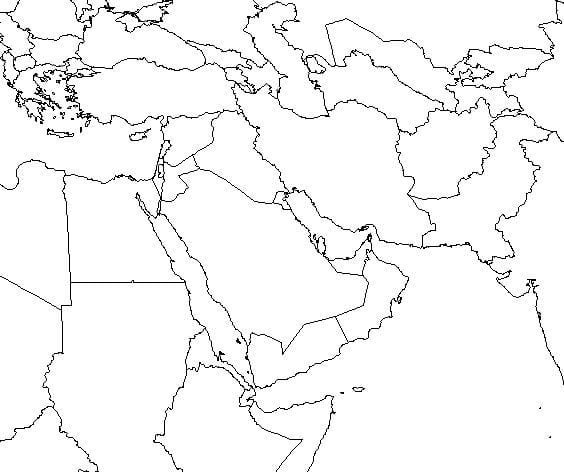 Blank Political Map Of Middle East Middleeast
  Middle East Political Map Diagram Advanced Diagram Quizlet NXlzzc B
 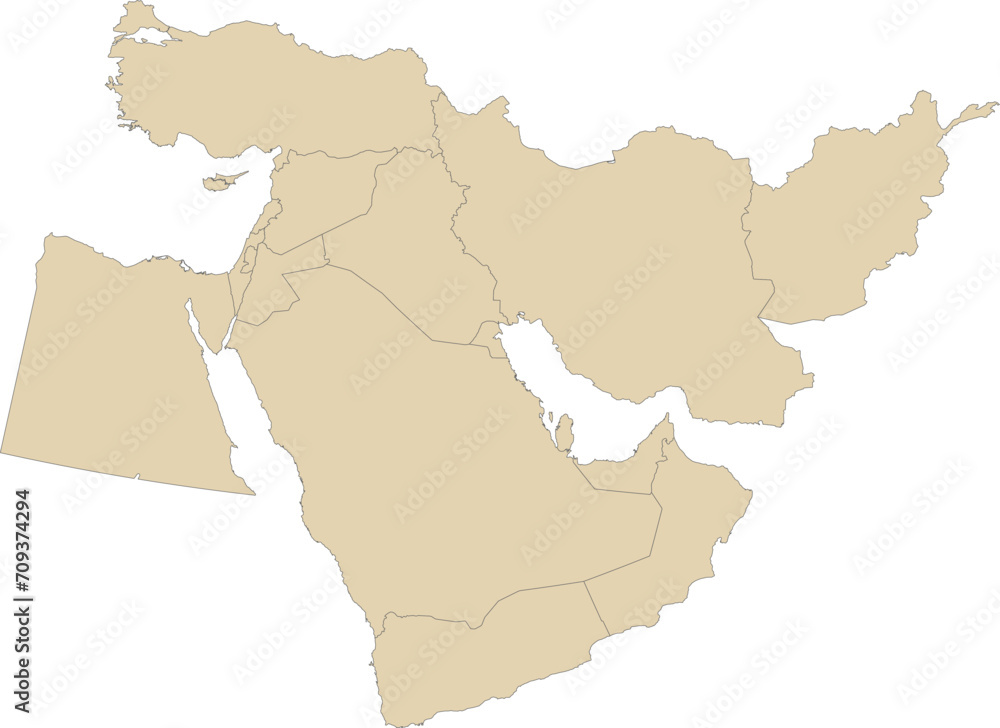 Brown Detailed CMYK Blank Political Map Of The MIDDLE EAST With Black F
 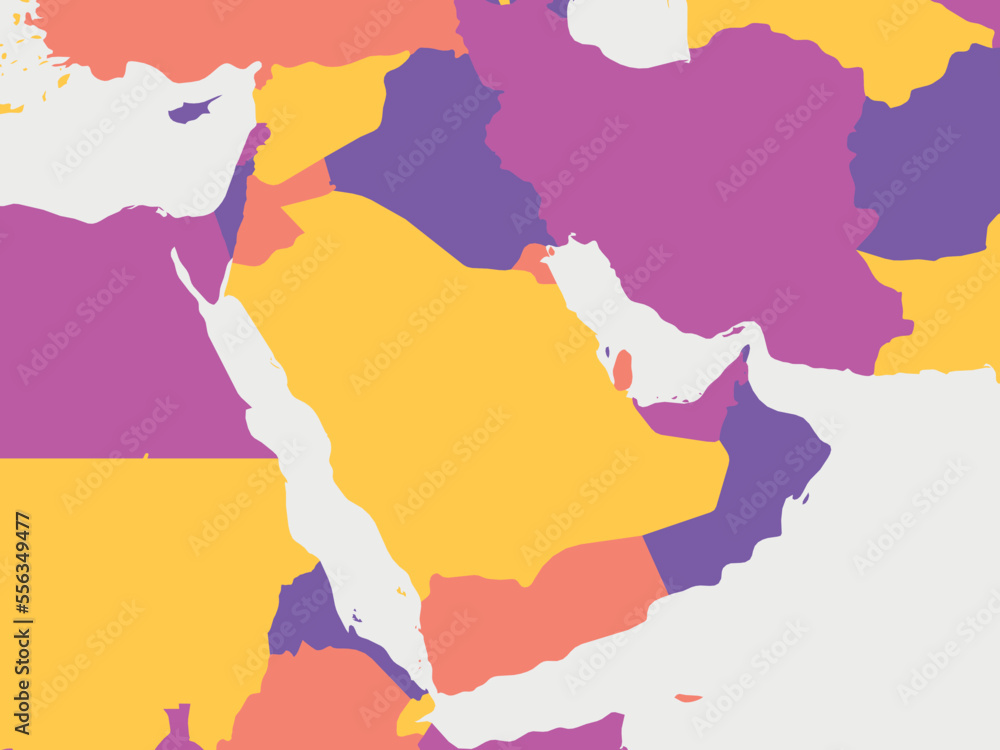 Middle East Blank Map High Detailed Political Map Of Middle East And F
 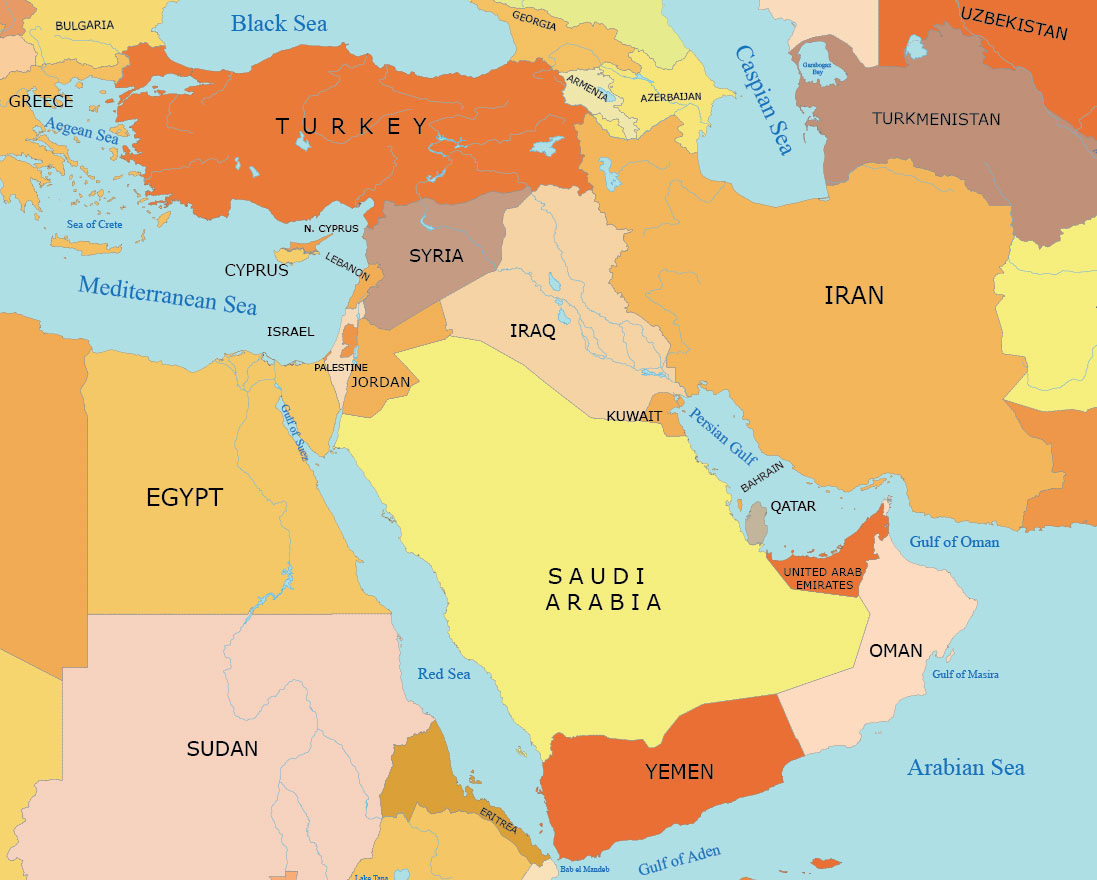 Blank Map Of Asia With Country Outlines GIS Geography Middle East Country Map
  Middle East Map Printable M EAST
  Gaza Board Of Peace And National Committee House Middle East x
  Blank Printable Map Of Middle East Countries Printable Free Templates Political Map Of The Middle East V